
Whenever there is a discussion about renewable energy, it always focuses on a small portion of the current portfolio, and understandably so. To the person unfamiliar with the market and the world of research, it is only those promoted by governments and energy companies that they know.
I am referring to wind power, hydro power and solar photovoltaic. But in reality there are many more than just these three. They are just simply less known due to lack of investment, both by corporations and governments, because they assume they have no future.
In my view, this is an irrational reason, because, also in another time, the three that I mentioned, were also unknown and had no future, only a small number of people believed and made the rest of the world aware of the potential of the technologies. Now, if there is no investment action directed to the other technologies, they will continue in the same way, only with potentiality, nothing more.
Before mentioning the other technologies, I want to mention that development must be continuous and consistent, otherwise we wouldn’t be seeing a price of less than half a dollar per watt for photovoltaic panels. It is always the search for the best that has led human beings to create today’s society.
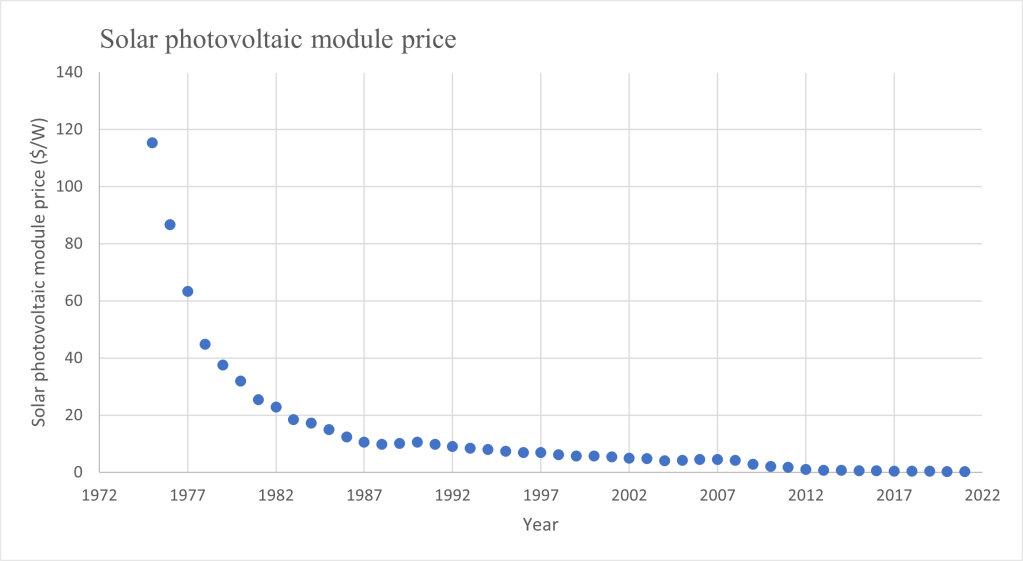
Another reason why I am of the opinion that we should invest more in other ways of producing the energy, is for diversity of choice. By this I mean that there are places on the planet that are limited in the choices of renewable technologies to be used, due to their characteristics. It is for this reason that renewable potential studies are carried out in order to determine the best renewable energy to implement according to the characteristics of the place.
With this, I present below, the technologies that I believe have the potential to one day, if the investment and development is on par with the energies of the moment, be reliable for a country to adopt:
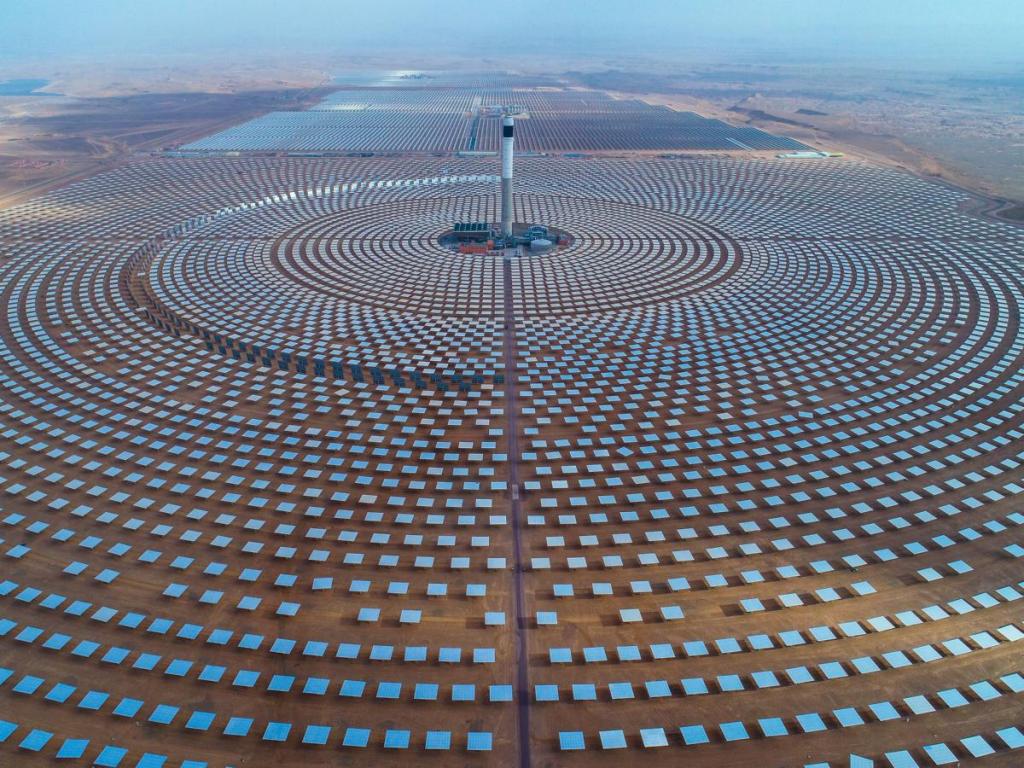
Concentrated Solar Energy, in short, uses mirrors or lenses to concentrate solar radiation at a focal point. Projects:
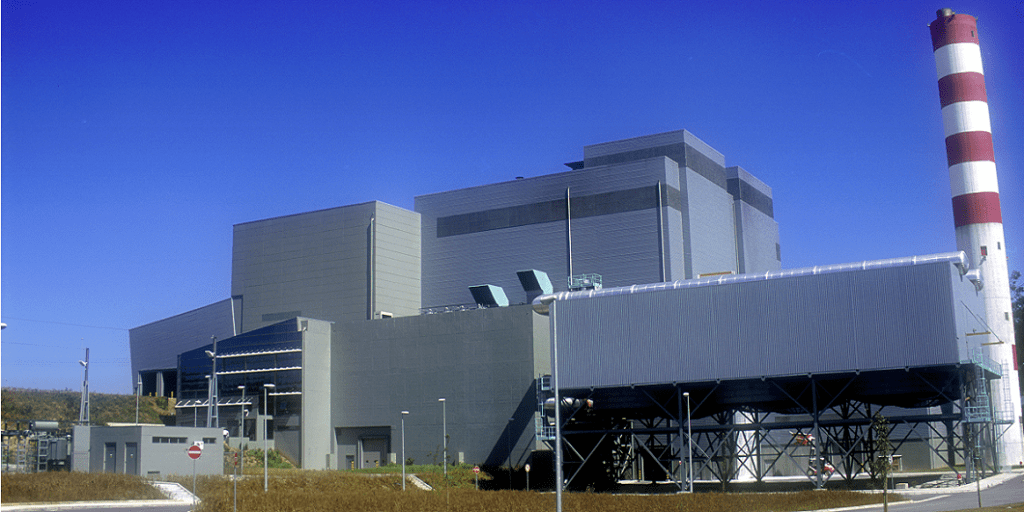
Energy from Waste, refers to the conversion of municipal solid waste, agricultural waste, industrial waste or biomass waste into electricity or heat. This can be done through controlled incineration, anaerobic digestion or gasification. Projects:
Ocean Thermal Energy takes advantage of the temperature difference between the surface and deep ocean layers to generate electricity. This process uses a working fluid that evaporates due to surface heat and is then used to drive a turbine and generate electricity. Projects:

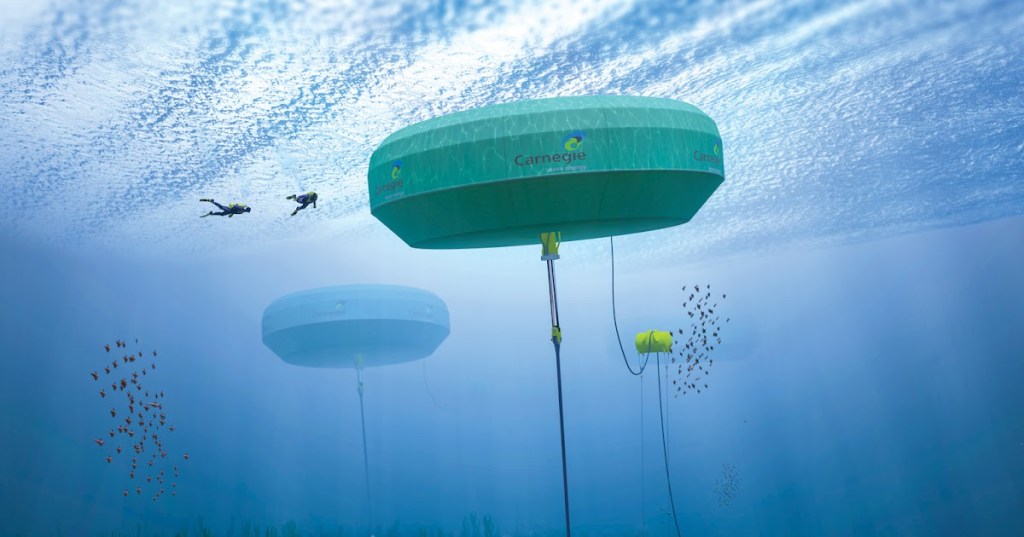
Wave Energy harnesses the motion of ocean waves to generate electricity. Special devices capture the kinetic energy of waves and convert it into electricity. It is a promising source of renewable energy, but is still under development. Projects:
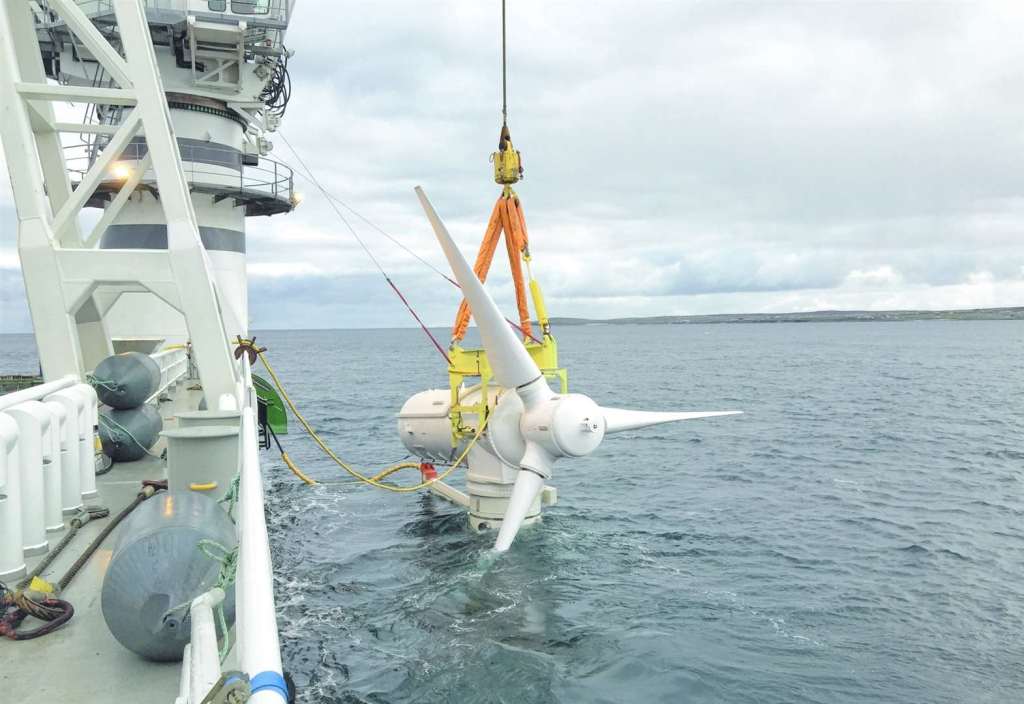
Tidal Energy is a form of renewable energy that harnesses the movement of the tides to generate electricity. Tidal power plants use turbines that are driven by the ebb and flow of the tides. As the tide rises and falls, water passes through the turbines, turning them and generating electricity through a generator. Tidal power is a predictable and reliable source of clean energy, but requires specific conditions and adequate infrastructure for implementation. Projects:
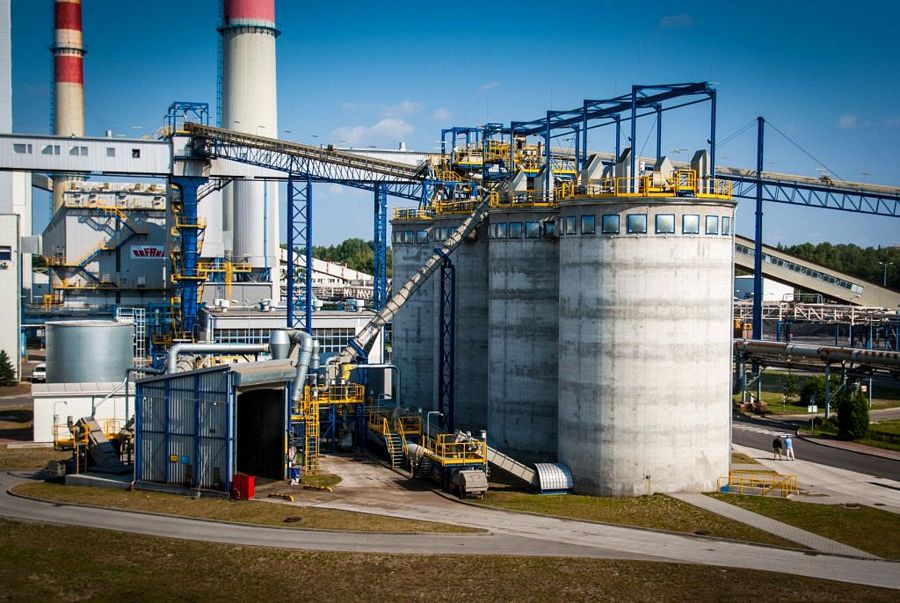
Biomass Energy is generated from organic matter, such as agricultural, forestry, industrial or organic waste. This organic matter is burned or converted into biogas, biodiesel, ethanol or other biofuels to produce electricity, heat or transportation fuels.
- Biomass Power Plant Solutions | Siemens Global Website | Renewable Energy | Siemens Energy Global (siemens-energy.com)
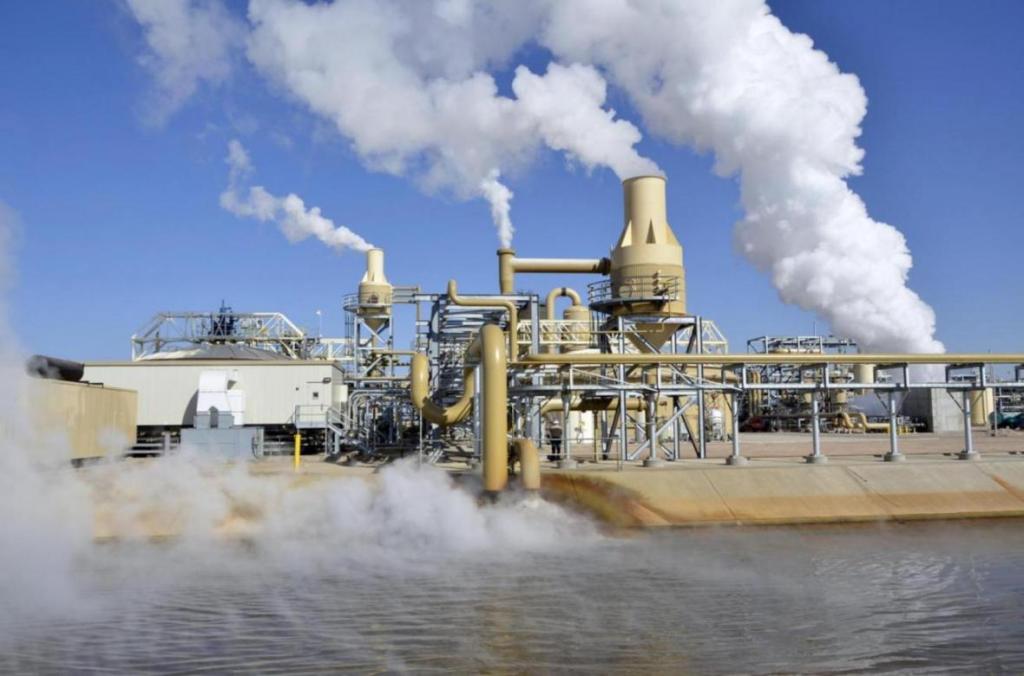
Finally, Geothermal Energy is a form of renewable energy that harnesses the natural heat of the Earth’s interior to generate electricity or heat. By drilling geothermal wells, the steam or hot water found underground is used to drive turbines and generate electricity or to directly heat homes, buildings and industrial processes. Geothermal energy is a constant and sustainable source of energy because the heat from underground is virtually inexhaustible. Projects:
In the future I will devote more articles to each of these technologies. For now, I just want to highlight their existence and potential.
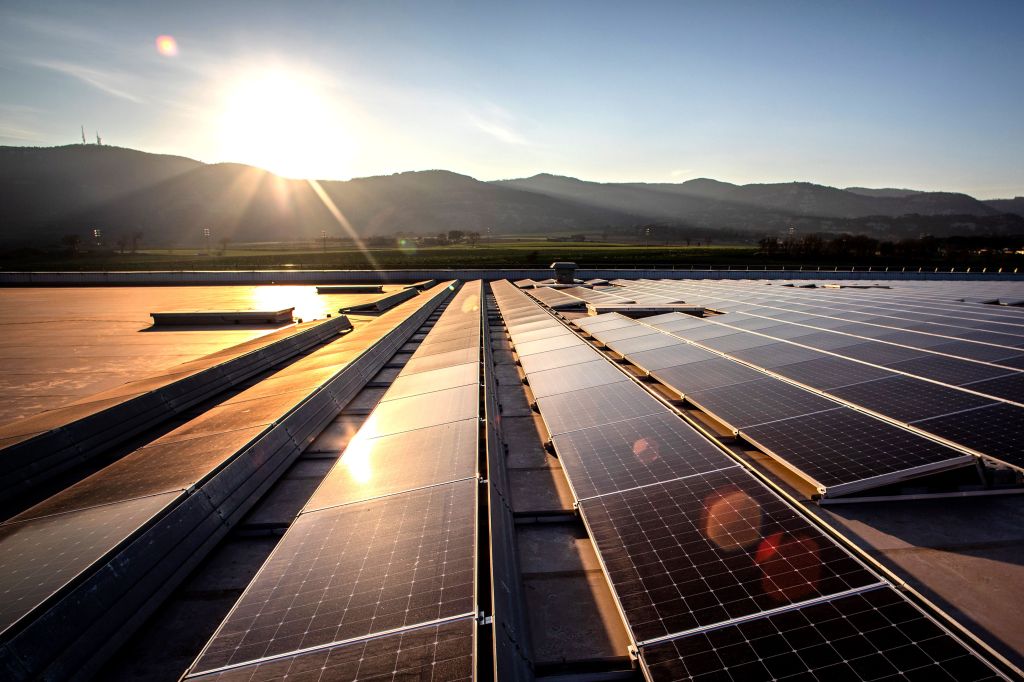
This way you get an idea that there are countless possibilities for renewable energy. And these are just the most established of the rest, so there are many more ways to generate clean energy. Not to mention the fact that they can be combined with each other, making them totally clean. An example of this would be using photovoltaic cos panels to power a geothermal power station.
In conclusion, there are many more ways of producing energy than the more established ones (solar, hydro, wind). With the right funding and consequently the right development, we can diversify the possibilities for nations to choose the right technologies for the characteristics of their countries. The problem is not that there are no technologies, they exist, the problem is in their capacity to provide the energy needed to supply an entire nation.
References
Nemet. G., F., 2008. Interim monitoring of cost dynamics for publicly supported energy technologies. Energy Policy; Volume 37, Issue 3, March 2009, Pages 825-835;
Farmer, J. D., 2016. How predictable is technological progress? Research Policy; Volume 45, Issue 3, April 2016, Pages 647-665;
What are the different types of renewable energy? National Grid. Energy explainded. Acesses on: 21 may 2023
Babarit, A., 2018. Ocean Wave Energy Conversion. 978-1-78548-264-9
Rivero, M. A., Rodrigues, D., Pinheiro, C. I. C., Cardoso, J. P., Mendes, L. F., 2022. Solid–gas reactors driven by concentrated solar energy with potential application to calcium looping: A comparative review. Renewable and Sustainable Energy Reviews; Volume 15, April 2022, 112048


 Francisco Maia
Leave a comment