
As the first post on technology and innovation, I want you to focus on the topic of the moment in the financial world, and one that compromises the entire banking structure. Yes, I’m talking about cryptocurrencies.
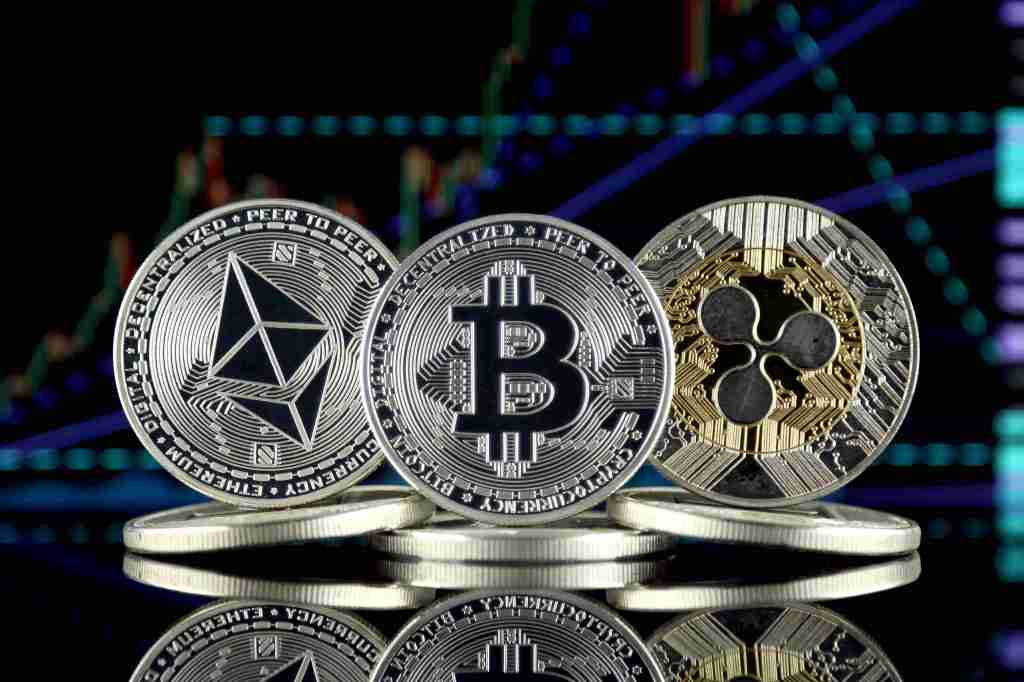
For those unfamiliar, cryptocurrencies are decentralised digital currencies that use cryptography to ensure security and control transactions. They are not issued by governments and operate on a technology called blockchain.
In short, blockchain is a revolutionary technology that enables the secure storage and sharing of information on a decentralised network. It is an immutable and transparent digital record made up of interconnected blocks of information. Each block contains transaction data, such as purchase records, asset transfers or smart contracts. These blocks are cryptographically linked to each other, forming a continuous chain of information, hence the name “blockchain”. Decentralisation ensures that there is no central authority controlling the network, making it resistant to fraud and censorship. This technology has applications in a variety of industries, beyond cryptocurrencies, including logistics, healthcare, supply chain, electronic voting and more.
Now, with these basics already laid, I want to talk about one of the most coveted and at the same time most distrusted cryptocurrencies. I’m talking about XRP.
First, XRP is a cryptocurrency developed by the company Ripple Labs Inc. It was created in 2012 with the aim of enabling fast and low-cost payments on a global scale. Unlike other cryptocurrencies such as Bitcoin, XRP is not based on mining. All tokens have already been pre-mined before its launch.

XRP operates on a decentralised payment protocol called RippleNet, which allows funds to be transferred in real time. The main purpose of XRP is to facilitate financial transactions between financial institutions, such as banks, quickly and efficiently. It can be used for both international transfers and domestic payments.
One of XRP’s key features is its ability to settle transactions within seconds, making it an attractive option for financial institutions wishing to speed up payment processing. In addition to this, XRP also has very low transaction fees compared to traditional methods, and also like Ethereum’s transaction methods.

While Ethereum uses the Proof of Stake (PoS) consensus mechanism, which is the process of locking up an amount of ETH for a specified period of time in order to contribute to network security and earn rewards, XRP operates on a consensus system called the Ripple Protocol Consensus Algorithm (RPCA). This algorithm allows XRP to have lower transaction fees and a faster confirmation time.
Much of the cryptocurrency community has been losing faith in XRP due to two aspects.
First, due to the legal controversies it has been getting involved in. In December 2020, the US Securities and Exchange Commission (SEC) filed a lawsuit against Ripple Labs, alleging that the sale of XRP was an unregistered securities offering. This action resulted in a significant drop in the price of XRP and raised questions about its regulatory status.
And derived from this fact, we have the argument that the currency’s marketcap would far surpass that of Bitcoin, if the cryptocurrency’s price reached the speculated values, which, it claims is not realistic.
Despite all the controversies, XRP remains one of the most traded cryptocurrencies and has a global user base. Its market value is influenced by a variety of factors, including adoption by financial institutions, news related to Ripple Labs and developments in the cryptocurrency industry in general.

With this, I leave my opinion.
I see the plausibility of both sides of the community, and their arguments. However, I encourage people not to be carried away by the “Hypetrain”, and investigate each project before making any decisions in these financial areas. I am not an economist myself, however I have the ability to investigate and question every step I take, and I encourage people to do the same. That is why I invest in this cryptocurrency with caution and moderation, because cryptoassets are subject to very high price volatility, allowing for great upside potencial, but also great losses.
Acknowledgement
I want to give recognition to a great friend of mine who gave his knowledge on this subject, Pedro Meneses. Economist by profession, with a degree in Economics and a Master in Finance, I could not find a better professional to assist me in the construction of this article.



 Francisco Maia
Leave a comment